Preparing Your Home for Sale
Where to Invest Your Time and Money Before Listing
One of the most common questions I hear from sellers is:
"What should I fix before putting my home on the market?"
After more than 26 years in real estate, my answer is almost always the same:
Not everything.
Many homeowners assume they need to renovate, remodel, or spend tens of thousands of dollars before selling. In reality, the goal isn't to create a perfect home—it's to present a well-maintained property that allows buyers to feel confident making an offer.
The key is knowing which repairs add value and which simply add expense.
Start With the Issues Buyers Notice First
Buyers begin forming opinions within seconds of arriving at a property.
Small details may seem insignificant to a homeowner who has lived in a house for years, but to a buyer seeing it for the first time, they often tell a larger story about maintenance and care.
Before listing, focus on:
Touching up chipped or scuffed paint
Repairing nail holes and wall damage
Fixing squeaky doors and loose hardware
Replacing burned-out light bulbs
Repairing damaged flooring
Cleaning windows and screens
Ensuring doors and windows operate properly
These improvements are relatively inexpensive but create a strong first impression.
Address Deferred Maintenance
Buyers today are cautious. Many have stretched budgets due to higher interest rates and are looking for reasons to feel confident—not reasons to walk away.
I always recommend addressing obvious maintenance concerns before they become negotiation points during inspections.
Consider repairing:
Leaking faucets
Running toilets
Dripping pipes
Loose railings
Damaged steps
Gutters in need of repair
Minor roof concerns
HVAC systems overdue for service
If you are aware of a larger issue, addressing it before listing often puts you in a stronger negotiating position than waiting for a buyer to discover it.
Kitchens and Bathrooms Matter Most
You don't necessarily need a complete remodel.
In fact, many sellers never recover the full cost of major renovations before selling.
Instead, focus on making these spaces feel clean, fresh, and functional.
Simple improvements may include:
Fresh caulking around tubs and sinks
Replacing outdated cabinet hardware
Repairing loose hinges
Refinishing worn cabinetry
Updating light fixtures
Deep-cleaning tile and grout
A clean, well-maintained kitchen or bathroom often outperforms an expensive renovation that doesn't match a buyer's personal style.
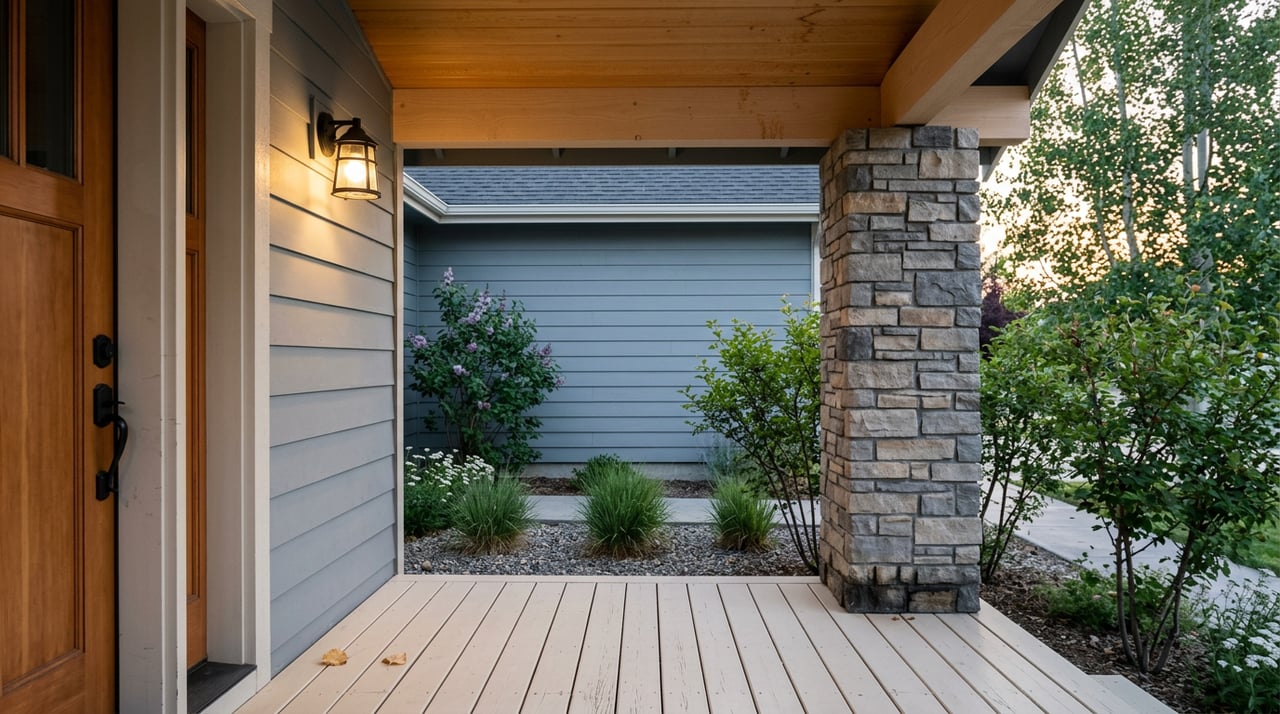
Don't Ignore Curb Appeal
Before buyers ever enter your home, they've already begun evaluating it.
The exterior creates the emotional first impression.
Simple improvements often include:
Trimming trees and shrubs
Fresh mulch or gravel
Mowing and edging lawns
Cleaning walkways
Power washing siding and decks
Touching up exterior paint
Repainting the front door
Repairing fencing
Ensuring garage doors function properly
In the Bitterroot Valley, buyers aren't just purchasing a home—they're buying a lifestyle. A welcoming exterior helps them begin imagining themselves living there before they ever step inside.
What You Can Usually Skip
This is where many sellers overspend.
Not every project adds value.
In most cases, I advise clients to avoid:
Full kitchen remodels
Complete bathroom renovations
Replacing functional appliances
Installing highly customized finishes
Major landscaping projects
Expensive upgrades that won't align with neighborhood values
Remember, buyers often want to personalize a home after they purchase it. Spending money on improvements they may immediately change rarely produces a strong return.
Every Market Is Different
The recommendations for a luxury home on acreage are very different from those for an in-town residence, investment property, or ranch.
That's why there is no universal checklist.
Some homes need only cleaning and staging. Others benefit from strategic repairs before going to market.
The right approach depends on:
Current inventory levels
Buyer demand
Price point
Competition
Property condition
Market timing
My Advice
The homes that consistently sell for the highest prices are not always the newest or most updated. They are the homes that feel cared for. Buyers want confidence. They want to believe the home has been maintained, respected, and prepared for its next chapter.
Before spending money on major improvements, sit down with a trusted real estate professional who understands your local market and can help determine which projects will actually increase your return—and which ones simply increase your expenses. A few strategic improvements can often accomplish far more than a lengthy renovation project.
Original Blog Post Here: