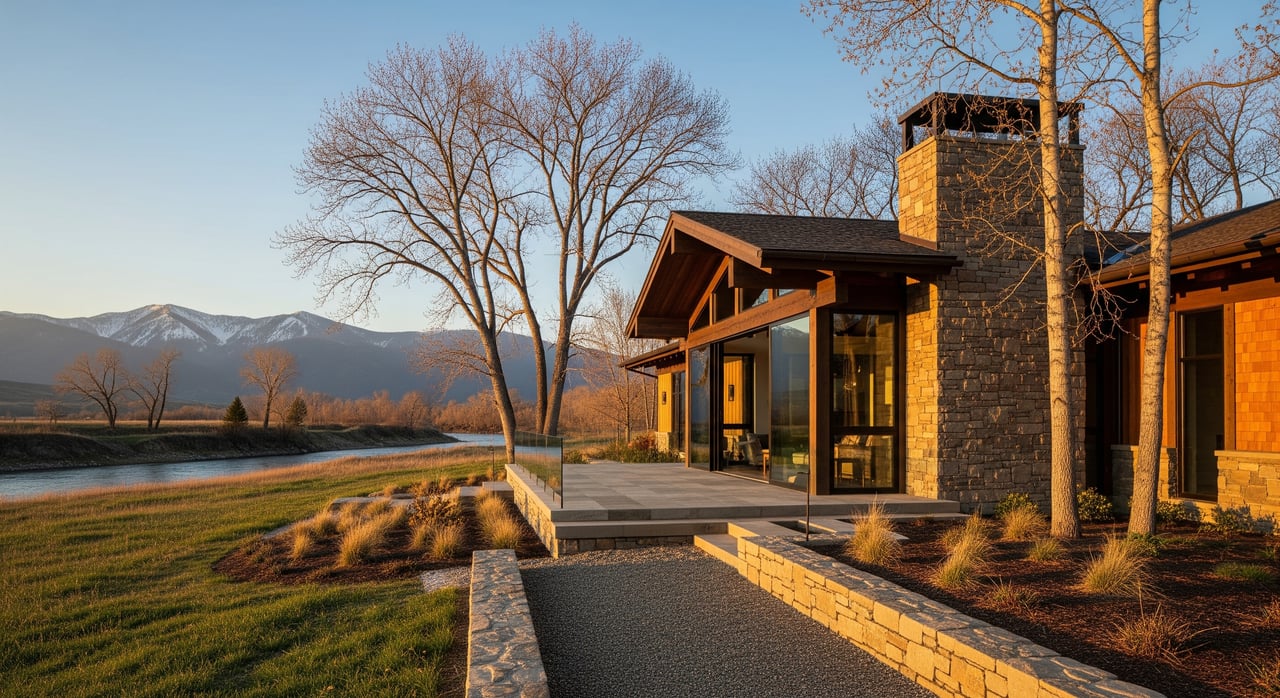
Thinking about small-town living with mountain views, room to breathe, and easy access to the outdoors? If Corvallis in the Bitterroot Valley is on your list, you likely want a clear picture of housing options, daily life, and the practical steps to buy with confidence. You want quiet and space without losing access to groceries, healthcare, and a reliable commute. This guide walks you through what it is like to live in Corvallis, the types of properties you will find, and a smart buyer checklist for rural Montana. Let’s dive in.
Housing in Corvallis at a glance
Corvallis sits in a rural corner of the Bitterroot Valley, so you will see a wide variety of property types. Inside and near town, you will find smaller lots and classic single-family homes. Beyond the center, acreage and small hobby farms become more common.
Common property types and land
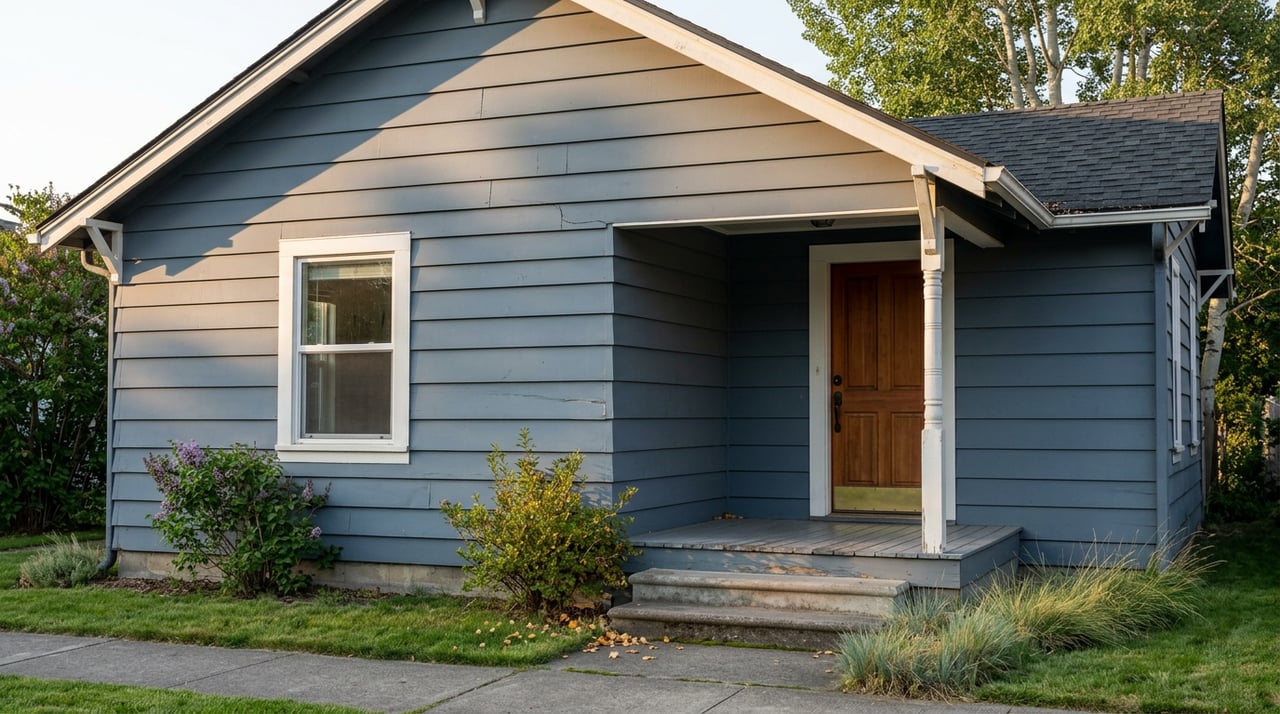
- Single-family homes on town lots, including older ranch-style homes, cottages, and mid-century builds.
- Log homes and cabins, often on small acreage or near rivers and creeks.
- Manufactured or modular homes that offer value and flexibility in rural settings.
- Hobby farms and small-acreage parcels with barns or outbuildings, sometimes with irrigation.
- Seasonal or vacation homes that may be lightly used or rented short term.
Lot size varies widely. Closer to the center, lots are smaller and easier to maintain. Outside town, parcels can run from a few acres to large tracts, some with private springs, creeks, or river frontage. If you are seeking privacy and space, you will find options. If you prefer a simpler yard and quick trips to the store, you will find that too.
Age, systems, and maintenance
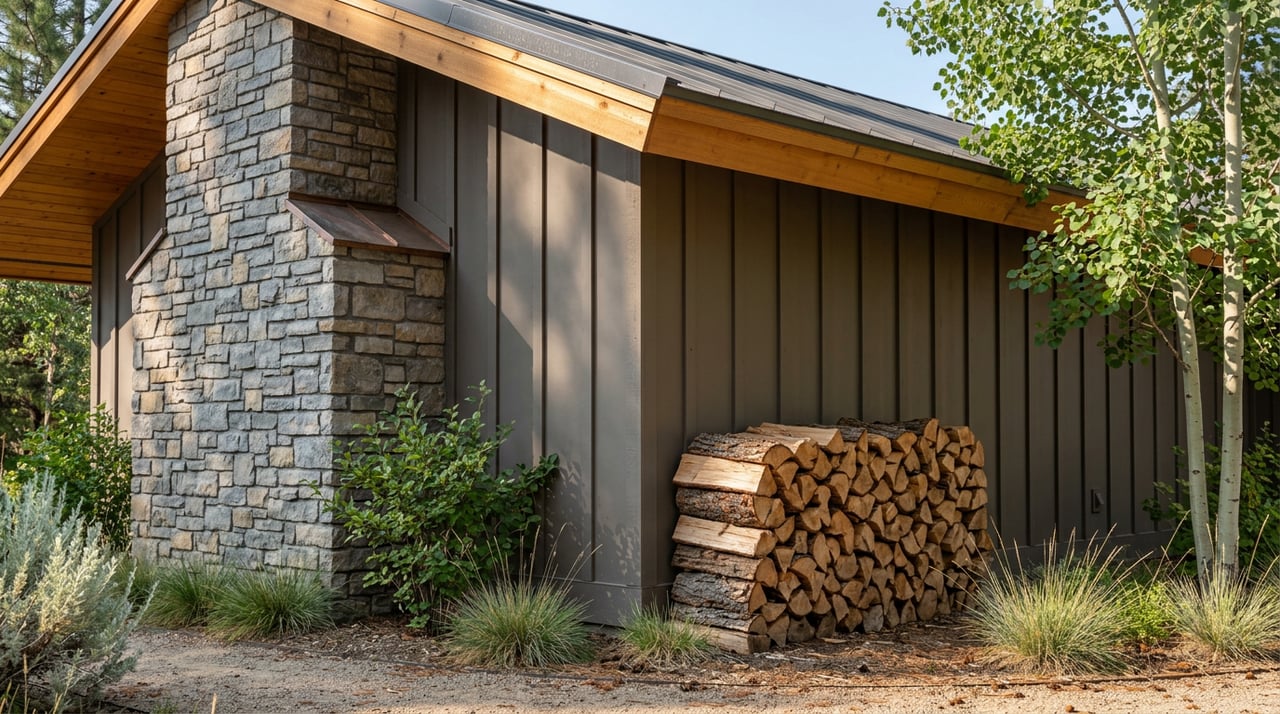
Expect a mix of original mid-20th-century homes, newer builds, and remodeled properties. Rural systems are common. Many homes use a private well for water and a septic system for wastewater. Power is provided by a regional utility or electric co-op, and many homes heat with propane, electricity, or wood. Condition can vary, so plan on thorough inspections and budgeting for routine rural maintenance.
Current market dynamics
Small towns like Corvallis usually have modest listing inventory. When a well-priced home with acreage or a desirable setting hits the market, it can draw quick interest. Activity often picks up in spring and summer, when sellers list and seasonal buyers make trips to the valley.
Because market numbers shift quickly in a small area, get a current snapshot before you shop. Median prices, days on market, and months of inventory can change with just a handful of sales. Ask for a recent, Corvallis-specific report when you are ready to compare neighborhoods and property types.
Here are ways to prepare in a competitive moment:
- Get pre-approved so you can act when the right property appears.
- Review recent sales for your target property type and acreage size.
- Clarify your must-haves versus nice-to-haves so decisions are easier.
- Understand likely maintenance and carrying costs beyond the mortgage.
Community feel and daily life
Life in Corvallis is quiet and connected. The in-town footprint is small, with basic services like gas and everyday shopping. For a wider range of groceries, pharmacies, and dining, you will rely on nearby larger towns in the Bitterroot Valley. Many residents work valley-wide or commute to larger employers in nearby communities. Social life often centers on local events, youth activities, volunteer organizations, and outdoor plans with friends and neighbors.
Services and infrastructure checklist
Groceries and essentials
You can handle everyday needs in or near town. For larger grocery runs, hardware, and more choices in retail and dining, you will head to bigger towns in the valley. Plan your weekly shopping to reduce extra trips.
Healthcare access
Primary care, urgent care, and hospital services are available elsewhere in the Bitterroot Valley. For specialized care, you will likely look to larger medical centers in Missoula. If healthcare access matters for your household, map out drive times in typical traffic and winter conditions.
Schools and options
Corvallis is served by local public schools in the area. For performance data and official report cards, review the state’s resources on the Montana Office of Public Instruction report cards. Families sometimes explore neighboring districts or private options in the valley, depending on program needs and logistics.
Utilities and internet
Most rural properties rely on a private well and septic system. Electricity comes from a utility or co-op. Homes frequently use propane or wood for heating. Broadband and cellular coverage vary by location. Check the FCC National Broadband Map and confirm with local providers and neighbors at a specific address before you make an offer.
Public safety and services
Fire protection in rural communities often includes volunteer departments, with valley-wide EMS coverage. Response times depend on distance and road access. Ask about the nearest fire district, any active community wildfire plans, and insurance implications at the property level.
Outdoor access and recreation
Corvallis is a launchpad for year-round outdoor fun. You have quick access to trailheads, fisheries, and public lands throughout the valley.
- Hiking and trail systems connect to the Bitterroot National Forest, with options for short day hikes or deeper backcountry trips.
- Rivers and creeks in the Bitterroot Valley offer trout fishing, floating, and quiet summer days on the water. Always confirm public access points and any private easements.
- Fall brings hunting opportunities on federal and state-managed lands. Review regulations and plan access routes well in advance.
- Winter brings cross-country skiing, snowshoeing, and snowmobiling in nearby areas when snowpack allows.
For local trip ideas and seasonal activities, the valley’s tourism and chamber resources provide useful starting points for planning.
Seasons, weather, and winter living
Western Montana winters can be cold and snowy. On rural roads, you should plan for snow removal and manage winter access for private drives. Many owners keep a capable vehicle, traction gear, and backup heat. In older homes, energy upgrades like insulation or window improvements can make a noticeable difference in comfort and cost.
Spring can be wet, with muddy drives on unpaved roads. Summer and early fall are prime for outdoor life and projects. Late summer can also bring regional wildfire smoke at times. Your day-to-day experience will vary by microclimate, elevation, and tree cover on your specific property.
Buyer due diligence checklist
Use this checklist to evaluate rural properties around Corvallis with confidence:
- Water and wastewater. Confirm well production with a flow test and a water quality test. Verify the age and maintenance history of the septic system and schedule a professional inspection. State resources at the Montana DEQ can help you understand permitting basics.
- Flood and riparian areas. Check whether any part of the property sits in a floodplain using the FEMA Flood Map Service Center. Ask about riparian setbacks and any development limits near creeks or irrigation ditches.
- Wildfire risk and insurance. Review local fire district information and consider defensible space. Learn more about statewide resources through the Montana DNRC fire resources. Ask your insurance agent how location and vegetation affect premiums.
- Access and winter maintenance. Confirm if roads are county maintained or private. If private, review road maintenance agreements, who plows, and seasonal access expectations.
- Zoning, covenants, and land use. Identify Ravalli County zoning, any HOA or covenants, and rules for accessory structures, livestock, or short-term rentals. Start with the Ravalli County Planning office for guidance.
- Utilities and broadband. Verify electric service provider, heating fuel options, and realistic internet speeds at the address. Use the FCC National Broadband Map as a baseline, then confirm with local providers.
- Property costs beyond the mortgage. Budget for well and pump service, septic pumping, private road upkeep, snow removal, propane or firewood, and potentially higher wildfire or flood insurance.
- Survey, title, and water rights. On acreage, a current boundary survey can prevent disputes. Ask the title company to identify easements for access or irrigation. Water rights may apply to some properties; learn about the framework at the DNRC Water Resources Division.
- Permits and approvals. Building, septic, and well permits are handled at the county level. Confirm requirements and records with Ravalli County Planning before you plan improvements.
Is Corvallis a fit for you?
Choose Corvallis if you value open space, friendly day-to-day rhythms, and immediate access to trails and water. It is a good match if you are comfortable trading a shorter list of in-town services for a quieter setting and bigger lots. If you prefer walkable amenities and frequent dining options, a larger nearby town may fit better. The best way to decide is to tour homes, drive the roads you will use most, and compare maintenance needs to your lifestyle and budget.
If you want local guidance, a property search tailored to your goals, or help comparing acreage, wells, and access, reach out. As a fourth-generation Montanan and Land Specialist, I help you weigh the details that matter for long-term value. Connect with Clinton Roberts to plan a focused tour or get your free property valuation.
FAQs
What types of homes are common in Corvallis, MT?
- You will find single-family homes on town lots, log cabins and cottages on small acreage, manufactured homes, and hobby farms with outbuildings.
How close is Corvallis to larger services in the Bitterroot Valley?
- Everyday essentials are nearby, while full-service groceries, pharmacies, and wider dining options are in larger valley towns, with additional specialty care in Missoula.
Are wells and septic systems typical for Corvallis properties?
- Yes. Many rural homes use a private well and septic system. Plan for inspections, water quality tests, and routine maintenance.
Is rural internet reliable around Corvallis, MT?
- Coverage varies by address. Start with the FCC National Broadband Map and confirm with local providers and neighbors before you buy.
How should I evaluate wildfire risk for a Corvallis property?
- Ask about the nearest fire district, insurance impacts, and defensible space. Review statewide guidance from the Montana DNRC fire resources.
What rules affect livestock, outbuildings, or short-term rentals in Ravalli County?
- Regulations depend on county zoning and any covenants or HOA rules. Contact Ravalli County Planning for property-specific guidance.
How do I check for floodplain or riparian setbacks near Corvallis, MT?
- Use the FEMA Flood Map Service Center to screen for flood risk and ask the county about riparian setbacks before planning improvements.