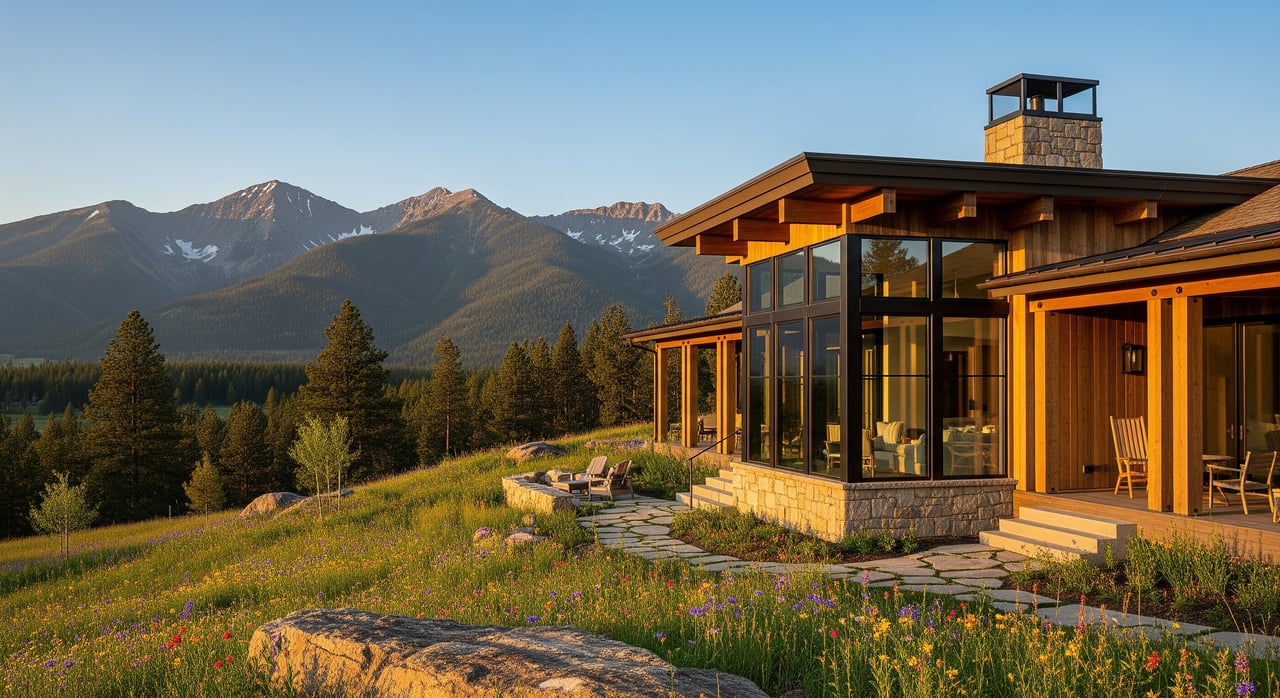
Thinking about a second home where you can spend long weekends on the lake, ski powder days, and still stroll a charming main street? Philipsburg gives you that blend of outdoors and small‑town character. If you are flying in, planning a short scouting trip, or just curious, this guide shows you how to make the most of a weekend visit and what to verify before you buy. You will leave with a simple two‑day itinerary, a property checklist, and trusted resources to help you make a confident decision. Let’s dive in.
Why Philipsburg works for a second home
Philipsburg is a small, historic mountain town in Granite County with a compact, walkable downtown and a strong recreation draw. It sits near Georgetown Lake with easy access to the Flint Creek and Anaconda‑Pintler ranges. The scale is intimate and seasonal by design. To ground your expectations, review county data on community size and trends on the U.S. Census Bureau’s Granite County QuickFacts.
Access is straightforward. Most visitors fly into Missoula, then drive about 1 to 1.5 hours depending on road conditions. Winter driving can add time, so check the Montana Department of Transportation travel advisories before you go. In town, you will find restaurants, galleries, and basic services, with larger stores and hospitals in nearby cities.
The area’s recreation anchors are a big part of Philipsburg’s appeal. Georgetown Lake offers fishing and boating in summer, plus ice fishing in winter. Review current rules on the Montana Fish, Wildlife & Parks fishing regulations. Discovery Ski Area provides downhill skiing and a relaxed vibe for winter days; get a feel for terrain and lift operations at Discovery Ski Area. For a quirky local favorite, try sapphire prospecting at a tourist mine like Gem Mountain. For events and local business listings, the Philipsburg Chamber of Commerce is a helpful hub.
How to structure your weekend
A great weekend balances lifestyle experiences with focused property time. Plan for 4 to 6 showings per day at most, and build in extra minutes to drive between areas.
Day 1: Get the lay of the land
Morning
- Arrive and settle in with coffee downtown. Watch the pace of life and note seasonal traffic.
- Walk Main Street to explore shops, galleries, and historic buildings. Notice building condition, business hours, and overall activity.
Midday
- Have lunch downtown and ask locals about their favorite hikes or lake access points.
- Stop by the chamber or visitor center for maps and the event calendar. Pick up contact details for the county offices you may want to visit on Day 2.
Afternoon
- Head to Georgetown Lake. Walk a public access or boat launch and look across the shoreline to gauge development density and privacy.
- Visit a sapphire mine to understand a key tourism driver. It also tells you something about short‑term rental demand patterns in peak season.
Late afternoon and evening
- Drive the neighborhoods or corridors you plan to tour tomorrow. Track distance to town, road type, and how plowable those roads appear.
- Have dinner and, if available, check out a local tasting room. Notice the evening scene and service hours.
What to check at each property on Day 1
- Confirm water and sewer: municipal vs. private well and septic, plus the age and condition of systems.
- Note heating fuel type and winterization measures.
- Test cell service at the property and note any internet provider options.
- Consider proximity to recreation, neighbors, and services.
Day 2: Test drive the lifestyle
Morning
- Pick the activity you will likely do most often. In summer, try a morning fish or paddle on the lake. In winter, make a few runs at Discovery or go for a cross‑country ski.
- Observe crowd levels and travel time to and from your lodging. This helps you understand what weekends might feel like.
Midday
- Tour three contrasting property types to compare maintenance profiles and price bands: a downtown historic home, a near‑lake cabin, and a mountain home on acreage.
- Request available records: well logs and water tests, septic inspection reports, recent utility bills, current assessed value, and any HOA or CCR documents.
Afternoon
- Visit or call local offices to clarify rules that could affect your plans. Start with Granite County planning and the county sanitarian. The county’s main site is here: Granite County.
- If you are considering rentals, speak with a local property manager or your agent about seasonality and typical guest profiles.
Evening
- Wrap up at a café to review notes. Pick your top one or two properties for next steps, such as inspections or a return visit in another season.
Seasonal tips for your visit
Summer
- Expect more visitors on weekends and a lively event calendar. If rental income matters, compare weekday and weekend activity to gauge demand.
- Walk shorelines and trailheads to see parking pressure and access options.
Fall
- Enjoy clear air and cooler temps, which make it easier to inspect roofs, gutters, and drainage.
- Note hunting season activity on public lands and consider how that aligns with your plans.
Winter
- Prioritize access and snow removal. Time a drive from the airport to your target area in winter conditions if possible.
- Ask for winter utility bills and inspect insulation, window seals, and heating systems.
Property types to tour
- Downtown historic homes: Smaller lots and walkable access to shops and dining. Expect older systems that may have been updated at different times.
- Near‑lake cabins and cottages: Some are seasonal, others year‑round, often on private wells and septic. Verify shoreline rules and legal access.
- Mountain cabins or log homes on acreage: Privacy, views, and quiet. Weigh road maintenance, plowing, and wildfire mitigation needs.
- Acreage on county roads: Larger parcels that may allow outbuildings. Confirm easements, boundaries, and utility extension feasibility.
- Vacant lots for custom builds: Check well and septic feasibility early and confirm road maintenance agreements.
What to verify at each property
Utilities and infrastructure
- Water and sewer: Determine if you are on town services or private well and septic. Ask for any recent water tests and septic inspections.
- Heating: Confirm fuel type, delivery access, and average winter costs. Look for backup heat sources.
- Internet and cell: Coverage varies. Test your phone onsite and review availability on the FCC Broadband Map.
Access and safety
- Road maintenance: Ask who maintains the road and how plowing is handled, especially for private roads or associations.
- Power reliability: Note whether power is underground or overhead and ask about outage history.
- Wildfire risk: Evaluate defensible space and discuss insurance implications with your agent and insurer.
- Flood risk: If a property is close to a creek or the lake, check the FEMA Flood Map Service Center to see if flood insurance may be required.
Documents worth requesting
- Seller disclosures, boundary descriptions, well logs, septic reports
- Recent utility statements and current property tax bill
- HOA or CCRs and any road association agreements
Costs, taxes, and financing basics
Montana does not have a statewide sales tax, which is a notable perk for many buyers. For property tax information and classifications, review the Montana Department of Revenue’s property tax overview, and ask your agent for recent assessed values for comparable properties in Granite County.
Financing a second home often means a larger down payment and stricter underwriting than a primary residence. Loans for vacant land or cabins used as rentals can look different. Speak with a lender who understands rural Montana and the mix of property types around Philipsburg. If you plan to rent out your property, remember that lodging taxes and permits may apply locally. Confirm current rules with county offices and your tax professional.
Local rules and permits
Local rules for short‑term rentals, building permits, and subdivision restrictions vary by municipality and county. Start with the county’s listings and contact details at Granite County. Ask for information on:
- Zoning designations and setbacks that affect additions or accessory units
- Any short‑term rental permit or local lodging rules
- Well and septic standards from the county sanitarian
- Covenants or HOA rules that apply to subdivisions near the lake or in the hills
Practical weekend checklist
Bring
- Camera or phone, tape measure, and a simple inspection checklist
- Layered clothing for changing mountain weather
Request or collect
- Listing details and seller disclosures
- Well logs, water tests, and any septic inspection reports
- Recent utility bills for winter cost estimates
- Current assessed value and property tax statement
- HOA or CCR documents and road maintenance agreements
- Contacts for a local insurer and contractor
Plan your route
- Schedule 4 to 6 showings per day and leave buffer time
- Check Montana DOT travel conditions before you drive
- Use the Philipsburg Chamber of Commerce to identify open restaurants and seasonal events
Ready to explore with a local guide?
A smart weekend in Philipsburg blends lake time, a few chairlift laps, and focused tours that answer real ownership questions. If you want help tailoring a touring route, clarifying well and septic details, or comparing neighborhoods by access and maintenance, reach out to a trusted local advisor. Connect with Clinton Roberts to plan your next visit and line up properties that fit your goals.
FAQs
What should second‑home shoppers check first in Philipsburg properties?
- Start with water and sewer details, winter access and plowing, heating costs, and cell or internet coverage verified at the address.
How do I confirm flood risk near Georgetown Lake or creeks?
- Enter the address in the FEMA Flood Map Service Center to see mapped flood zones and potential insurance requirements.
Where can I see current fishing rules for Georgetown Lake?
- Review the Montana Fish, Wildlife & Parks fishing regulations and check seasonal updates before you launch or fish.
When is the best season to scout a second home in Philipsburg?
- Summer shows peak lake use and rental demand; winter reveals access, plowing, and heating realities. If possible, visit in both seasons.
How can I verify broadband options at a specific address?
- Test your phone on site and review available providers on the FCC Broadband Map for a quick coverage snapshot.
Where do I find county rules for short‑term rentals and permits?
- Start with contact information and department links on the Granite County website, then call planning and the county sanitarian for the latest requirements.