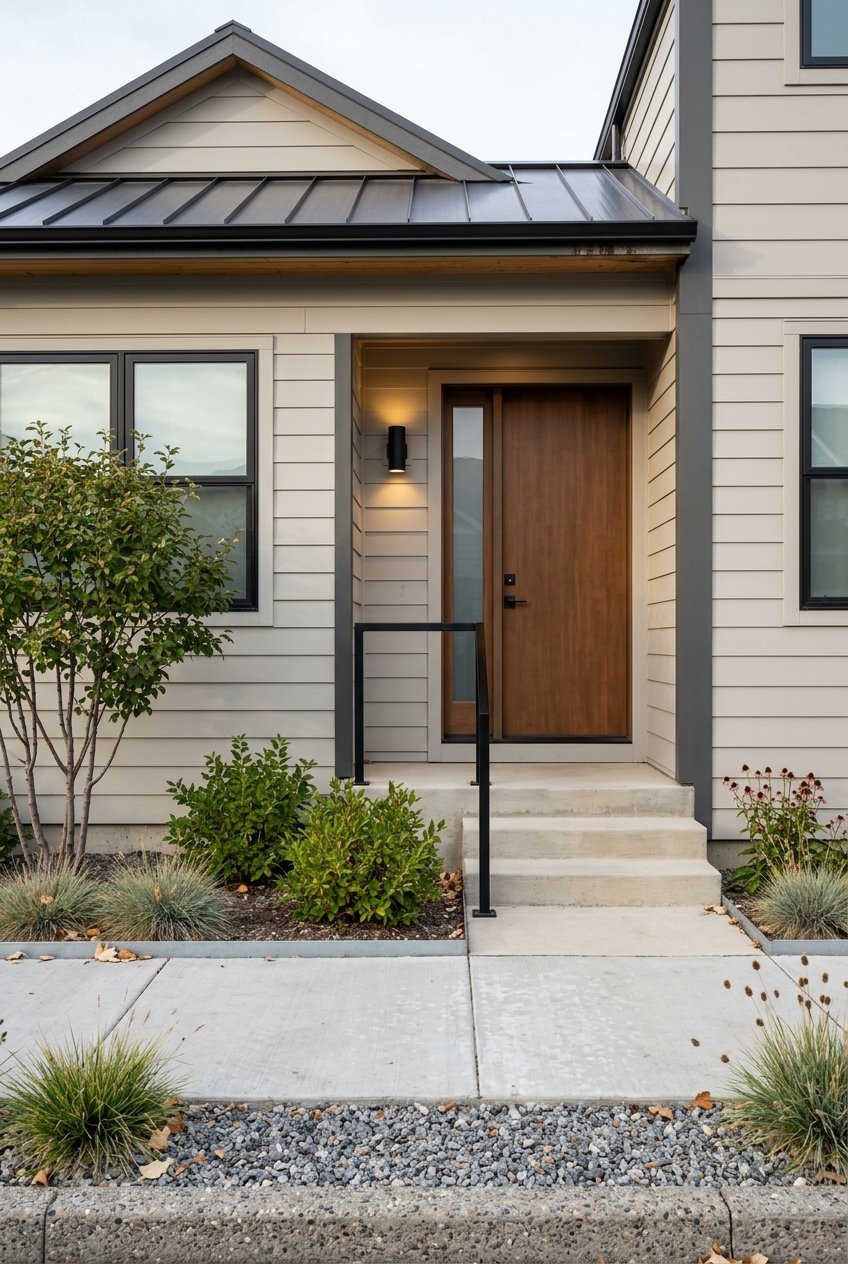
Thinking about a move to Missoula? One of the biggest surprises for many buyers is that “Missoula” is not just one neat housing market. It is a city-plus-valley market with different home types, service areas, and neighborhood patterns that can change quickly from one part of the area to the next. If you are relocating and want a clearer picture before you start touring homes, this guide will help you understand prices, housing options, and how to think about Missoula, Lolo, and Florence with more confidence. Let’s dive in.
Missoula Is a Regional Market
If you are moving from out of state, it helps to zoom out first. The City of Missoula had an estimated population of 78,204 in July 2024, while Missoula County reached 123,513 in July 2025, according to the U.S. Census QuickFacts for Missoula. That difference matters because your home search may naturally expand beyond city limits even if you start by saying you want to live “in Missoula.”
The city is also more renter-heavy than the county overall. The Census reports an owner-occupied housing unit rate of 47.0% in the city compared with 58.8% countywide, which helps explain why the housing mix, density, and property types can feel different as you move between central Missoula and nearby areas.
Missoula Home Prices in Context
Most current price indicators for Missoula cluster in the mid-$500,000s, but the exact number depends on the source and method. Redfin’s Missoula housing market page reported a March 2026 median sale price of $535,000, while Zillow’s Missoula home value index was $564,622 as of March 31, 2026, and the Missoula Organization of REALTORS reported a 2025 Missoula-area median sale price of $550,000, as summarized by Montana Free Press.
The key takeaway is not to fixate on one exact number. These figures are best read as a directional range that can help you set expectations as you compare neighborhoods, property types, and commute patterns.
Inventory Has Improved, But Entry-Level Choices Stay Tight
Recent local reporting suggests the market has steadied somewhat. According to Montana Free Press coverage of the MOR 2026 report, Missoula-area sales rose in 2025, supply was around five months at year-end, and some segments had more townhomes and condos available than single-family homes.
That said, affordability is still a real challenge. Lower-priced homes remain limited, so if you are shopping at the lower end of the market, you may need to move quickly when the right property comes up or stay flexible on location and home style.
Housing Types Are Broader Than Many Buyers Expect
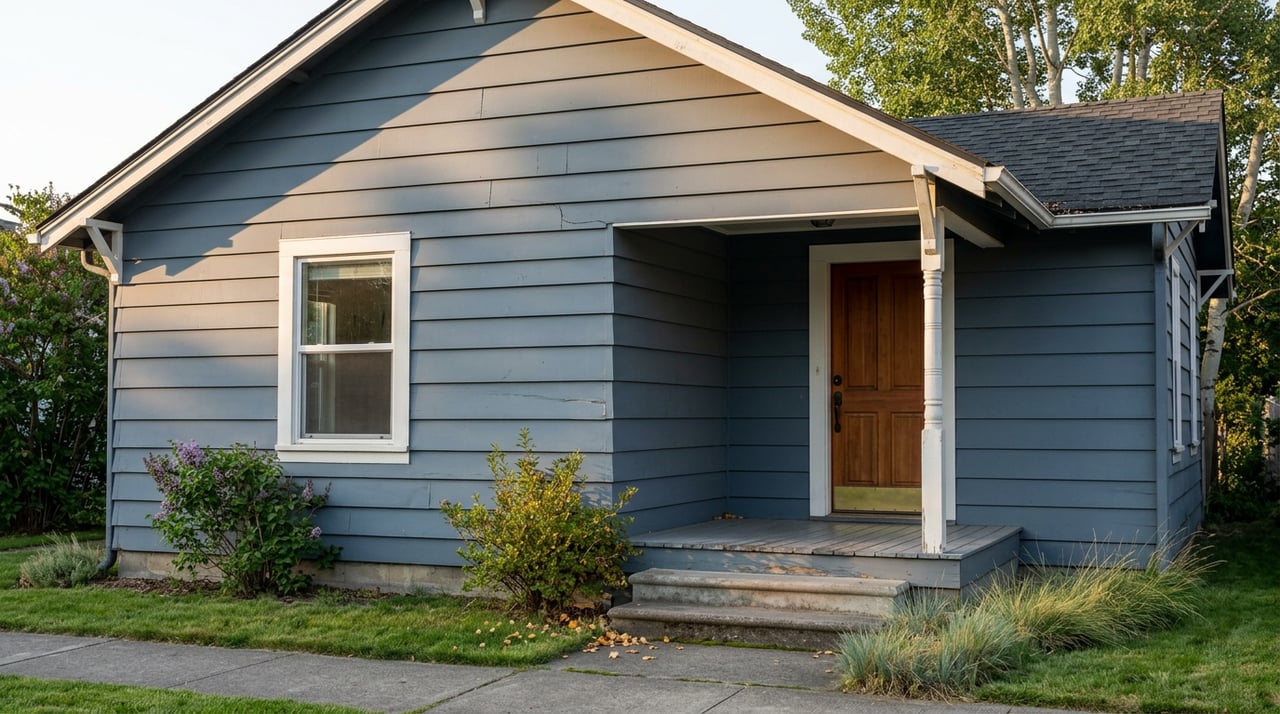
Many relocation buyers picture Missoula as mostly detached houses with a few condos mixed in. In reality, the city offers a wider housing mix than many first-time visitors expect.
Missoula’s 2025 Housing Landscape Assessment says 51% of all housing units in the city were single-family detached in both 2019 and 2023. That means detached homes are still the largest share of the market, but they are not the whole story.
You will also find:
- Attached homes
- Condos and townhomes
- Multifamily buildings
- Accessory dwelling units, or ADUs, in places where city rules allow them
This broader mix matters if you are balancing price, maintenance, walkability, lot size, or rental potential for guests or multigenerational living.
Zoning and Growth Are Changing the Search
Missoula’s housing options are also being shaped by updated development rules. The city says its Unified Development Code and updated zoning map took effect on March 4, 2026 to align with the 2045 Land Use Plan and support housing choice, neighborhood livability, and responsible growth.
For buyers, that means today’s housing search is not just about what a neighborhood has traditionally looked like. It is also about how the city is planning for future housing patterns, infill, and land use over time.
Think in Districts, Not One “Best” Neighborhood
One of the most helpful mindset shifts is to stop looking for one average Missoula neighborhood. Official city planning tools show that Missoula is better understood by districts, neighborhood councils, and place types.
The city’s Find My Neighborhood tool shows that residents fall within one of 20 neighborhood councils, with 18 active, and the 2045 Land Use Plan uses place types such as Downtown, Urban Residential Low and High, Urban Mixed-Use Low and High, Suburban Mixed-Use, Rural Residential, and Open & Resource.
In plain terms, the feel of your home search can change fast depending on where you look. A central location may offer smaller lots and easier access to commercial areas, while edge areas may feel more spacious or rural but come with different infrastructure considerations.
Central Missoula Neighborhood Patterns
If you want a more walkable, central feel, several city-defined areas often stand out on relocation searches. The city describes Riverfront as the area between the Clark Fork River and South 6th Street West, while Heart of Missoula lies between the river and the railroad tracks. The University District sits south of the river, east of South Higgins, north of Pattee Canyon Drive, and west of Campus Drive, based on city neighborhood information for Riverfront and surrounding central areas.
These central areas often appeal to buyers who want to be closer to established streets, daily services, and a more connected in-town layout. The tradeoff may be smaller lots, older housing stock, or a different mix of parking and property layouts than you would find farther out.
Older Residential Corridors Near Downtown
Other established areas near downtown include Franklin to the Fort and Rose Park. The city notes that Franklin to the Fort is an established neighborhood with priorities that include housing access and stability, traffic safety, and pedestrian access.
For a relocation buyer, that tells you something useful. In older residential corridors, you may want to pay extra attention to block-by-block differences such as street pattern, sidewalks, parking setup, and how the home fits your day-to-day routine.
Rural-Edge Areas Feel Different
Not every Missoula-area search is about living close to downtown. Some buyers want more elbow room or a setting that feels more connected to open land.
The city describes Grant Creek as a highly rural area split between city and county residents, bordered by forest land and a wildlife reserve. The neighborhood also has one roadway access to Snow Bowl, according to the city’s Grant Creek neighborhood page.
That kind of detail matters when you are relocating. A home may offer a very different lifestyle depending on road access, surrounding land, and whether the property falls under city or county conditions.
Lolo Is Close, But It Is Not a Missoula Neighborhood
Lolo often comes up in relocation searches because it is close to Missoula and part of the south corridor. It is best understood as its own community, not as a city neighborhood.
Missoula County says Lolo is about 10 miles south of Missoula at the confluence of the Bitterroot River and Lolo Creek. County information also shows that Lolo has its own community council, library branch, parks, and a rural special improvement district for water and sewer, and a county regional plan describes Lolo as a bedroom community to Missoula, based on county documentation linked from this Missoula County source.
If you are open to living outside the city itself, Lolo can make sense as a separate option in your search rather than a subsection of Missoula.
Florence Is a Separate Bitterroot Valley Community
Florence should be viewed even more distinctly. It is not part of Missoula County’s urban neighborhood structure.
Ravalli County’s development plan identifies Florence as one of the county’s unincorporated areas, with its own civic infrastructure, according to the Ravalli County development plan. For relocation buyers, the practical point is simple: Florence belongs in a broader Bitterroot Valley search, not under the label of a Missoula neighborhood.
Utilities and Services Can Change Quickly
One of the most important relocation details has nothing to do with paint color or square footage. It is utilities and services.
Missoula County says it does not have a central wastewater and drinking-water system, while places like Lolo use a rural special improvement district for water and sewer. That means buyers should confirm early whether a property is served by:
- City utilities
- A district service area
- Private well
- Septic system
- Another setup tied to its location
This is especially important if you are comparing homes inside the city with homes in county areas or nearby communities.
Plan Short House-Hunting Trips by Area
If you are relocating from out of state, short, focused house-hunting trips usually work better than trying to see everything at once. Because Missoula’s housing patterns vary so much, it helps to group showings geographically.
A smart trip plan may include:
- One block of time for central Missoula
- One block for south-corridor homes in Lolo
- One separate block for Florence or other Bitterroot Valley options if those are on your list
As you tour, use the trip to confirm practical details that online listings may not fully capture. Pay close attention to commute routes, lot size, parking, utility type, and whether the property is inside city or county jurisdiction.
Remote Closings May Be Possible
If you are worried about flying back for every document, there is some flexibility under Montana law. The Montana Secretary of State says Montana notaries may perform remote online notarizations and remote notarizations, with the notary physically in Montana and the signer able to be elsewhere in the world.
That does not mean every closing is fully remote by default, since lender and title company procedures still matter. But it does mean some closing steps may be handled without you being physically present in Montana.
What Relocation Buyers Should Remember
If you are moving to Missoula, the biggest win is understanding the area before you narrow the map too quickly. Missoula is not one uniform market. It is a regional housing search that may include city neighborhoods, rural-edge areas, close-in communities like Lolo, and separate Bitterroot Valley options like Florence.
The right fit depends on your priorities. You may care most about central access, detached-home inventory, utility setup, condo or townhome options, or how much land and privacy you want. When you work with a local broker who understands both neighborhood patterns and the practical details behind the listings, you can make better decisions with less stress.
If you are planning a move and want help sorting through Missoula-area housing options, neighborhoods, and relocation logistics, connect with Clinton Roberts for grounded local guidance and a clear strategy tailored to your search.
FAQs
What are typical home prices for buyers relocating to Missoula, MT?
- Current Missoula price indicators generally fall in the mid-$500,000s, with recent reported figures ranging from about $535,000 to $564,622 depending on the source and pricing method.
Is Missoula, MT mostly single-family housing?
- Single-family detached homes are still the largest share of city housing, making up 51% of all housing units, but buyers will also find condos, townhomes, attached homes, multifamily properties, and some ADU opportunities.
Are Lolo and Florence considered Missoula neighborhoods?
- No. Lolo is a separate community in Missoula County south of the city, while Florence is a separate Bitterroot Valley community in Ravalli County.
Can out-of-state buyers close on a Missoula home remotely?
- Potentially, yes. Montana allows remote online notarization and remote notarization, although the exact closing process still depends on the lender and title company.
Why should buyers check utilities before buying near Missoula, MT?
- Utility service can vary significantly by location, so buyers should confirm whether a home uses city service, a district system, private well and septic, or another setup before moving forward.