If you’re selling a rural home near Stevensville, you’re not just selling a house. You’re selling the full property story, including the land, water, access, outbuildings, and the practical details buyers will ask about right away. In a buyer’s market, that extra homework matters even more. This guide will show you how to prepare, market, and launch your property with fewer surprises and more confidence. Let’s dive in.
Understand the Stevensville rural market
Selling conditions near Stevensville call for a thoughtful plan. In early 2026, market dashboards described Stevensville and Ravalli County as buyer’s markets, with a Ravalli County median sale price of $624,900 in March 2026 and a median 74 days on market.
That does not mean rural homes are not selling. It means buyers often have options, and they tend to compare properties carefully. If you want your home to stand out, your pricing, presentation, and documentation all need to work together.
Rural homes are sold as a package
A rural property is usually judged as more than the square footage inside the home. Buyers are also looking at acreage, the driveway and access, water source, wastewater system, utility hookups, outbuildings, and any limits on how the land can be used.
That is why preparation matters so much in this part of Ravalli County. A buyer may love the setting, but still pause if the septic history is unclear, access is hard to explain, or water records are missing.
Start with your documents
The fastest way to lose momentum in a rural sale is to leave key questions unanswered. The strongest seller roadmap is simple: gather records first, then market the property with those answers ready.
Montana requires a written seller disclosure statement for residential real property. It must be provided before or with the contract, and if it is delivered after contract signing, the buyer generally has 3 days to rescind unless the parties agree otherwise in writing.
Just as important, the disclosure is based on your actual knowledge. It is not an independent investigation by you or your agent, but it does require you to share known material facts.
Seller disclosure matters more in rural sales
Montana’s seller disclosure law specifically calls out known issues involving water service or source, wastewater treatment, utility connections, wells, septic systems, drainage, additions without permits, hazards, and other adverse material facts. Those categories line up closely with the questions rural buyers already tend to ask.
If you know of an older repair, a seasonal drainage issue, an unpermitted addition, or a utility limitation, it is better to address it early. Clear information helps reduce uncertainty and builds trust with buyers.
Gather septic records early
If your property has a septic system, start there. Ravalli County says the permit file can show the system type, size, location, and approved structure use.
You should also collect maintenance history and pumping records if you have them. These records help answer common buyer questions and can make the property easier to evaluate.
Older systems need extra attention
Ravalli County notes that systems installed before 1972 were not part of the current permitting era. The county also notes that some post-1972 unpermitted systems may be treated as illegal unless brought into compliance.
That does not automatically stop a sale, but it does mean you should understand what you have before going live. If there is confusion about the system, it is better to learn that upfront than during escrow.
Confirm water details and water rights
Water is one of the biggest issues in a rural transaction. Buyers may ask whether the property is served by a well, another water source, or a setup tied to irrigation or surface water.
If the parcel uses irrigation water, surface water, or water beyond a simple domestic setup, gather water-right records and ownership information. The Montana Department of Natural Resources and Conservation says a recorded water right is required for the majority of water uses, and its Water Rights Query System is used to look up records and update ownership.
Be ready to explain the setup
Even when your water situation feels straightforward to you, it may not feel that way to a buyer seeing the property for the first time. The clearer your records are, the easier it is for a buyer to understand how the property functions day to day.
This is especially true on acreage where water can affect livestock use, irrigation, landscaping, and future plans. Good documentation helps keep the conversation factual and calm.
Verify boundaries, access, and easements
Many rural buyers want to know exactly where the parcel begins and ends, how it is accessed, and whether any easements affect use. These questions often come up early, especially when land, fencing, or nearby open ground is part of the appeal.
Before listing, assemble parcel maps, survey information, road-access details, and easement documents. Ravalli County’s GIS tools include parcel, road, survey, and floodplain layers that can help confirm the basics buyers will ask about.
Make boundaries easy to understand
If the property borders open land or is used for recreation, grazing, or hunting access, clear boundaries matter. Montana Fish, Wildlife & Parks says private land can be posted at access points if the owner wants to prevent trespass, and the state recognizes written notice or fluorescent orange paint as valid posting methods.
For showings, this is a useful reminder to make access points obvious and property lines easier to understand. Buyers tend to feel more confident when they can see how the land is organized.
Check floodplain questions upfront
If your property is near water or wet ground, look into floodplain issues early. Waiting until a buyer is already interested can slow the process and create avoidable stress.
Ravalli County says a floodplain determination is required before septic permit issuance when the proposed wastewater system is within 300 feet of a delineated floodplain. The county Planning Department also handles floodplain management.
That does not mean every rural property near water has a problem. It means floodplain questions are common enough that it is smart to prepare for them before listing.
Present the home and land together
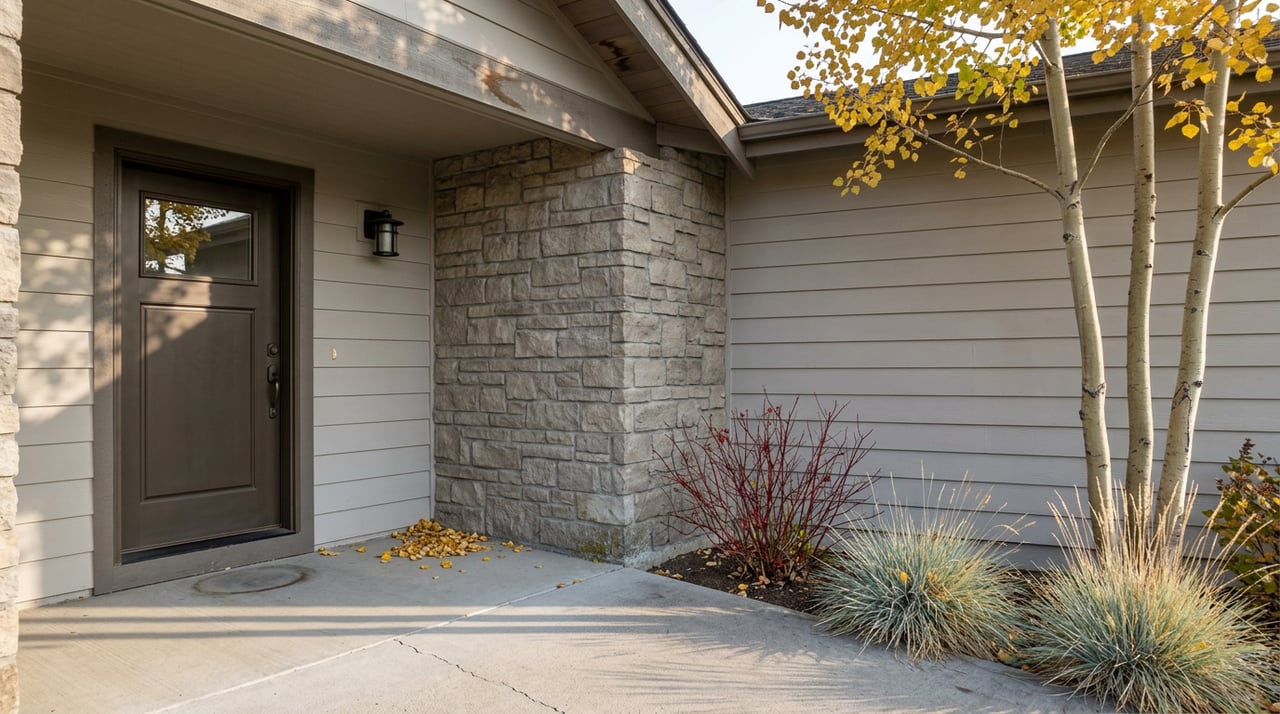
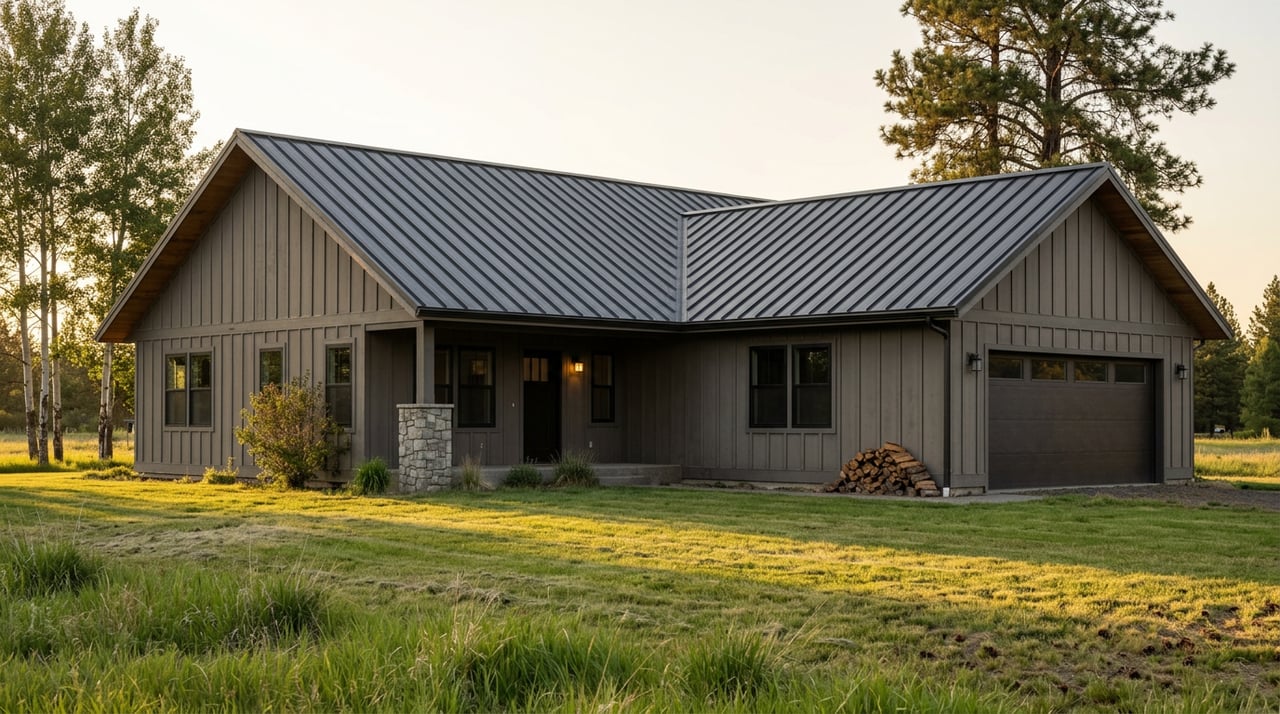
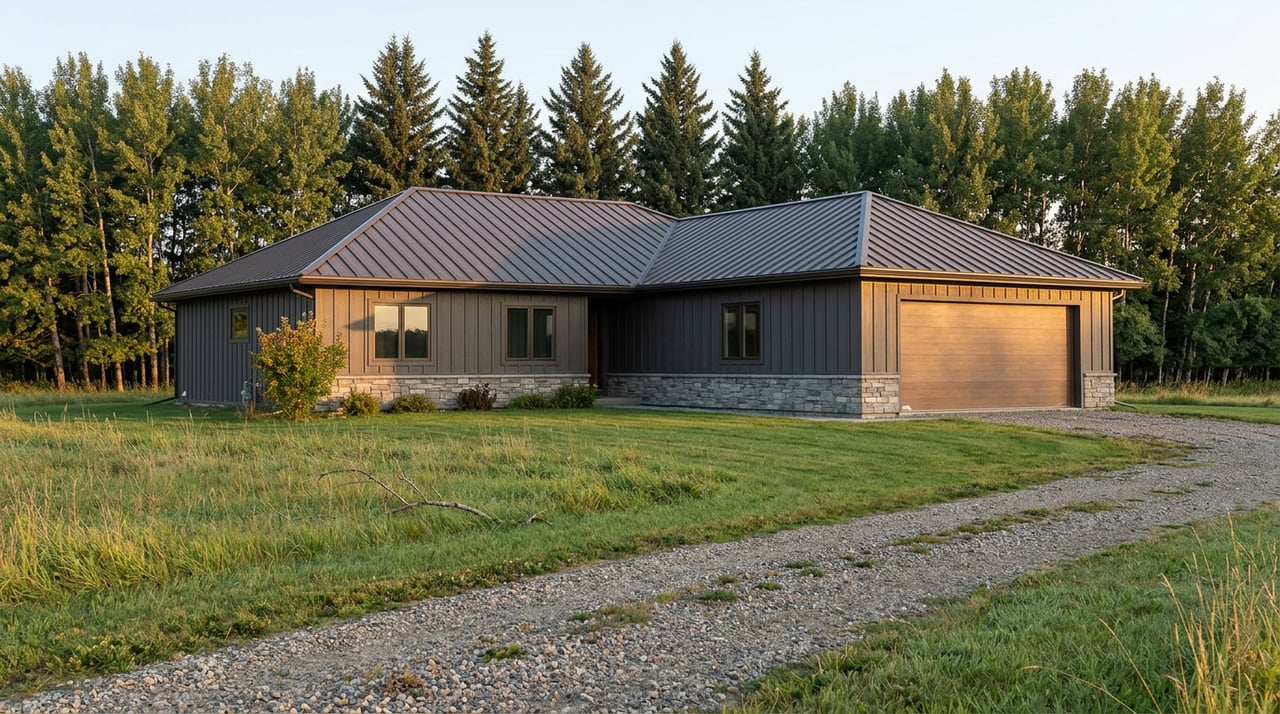
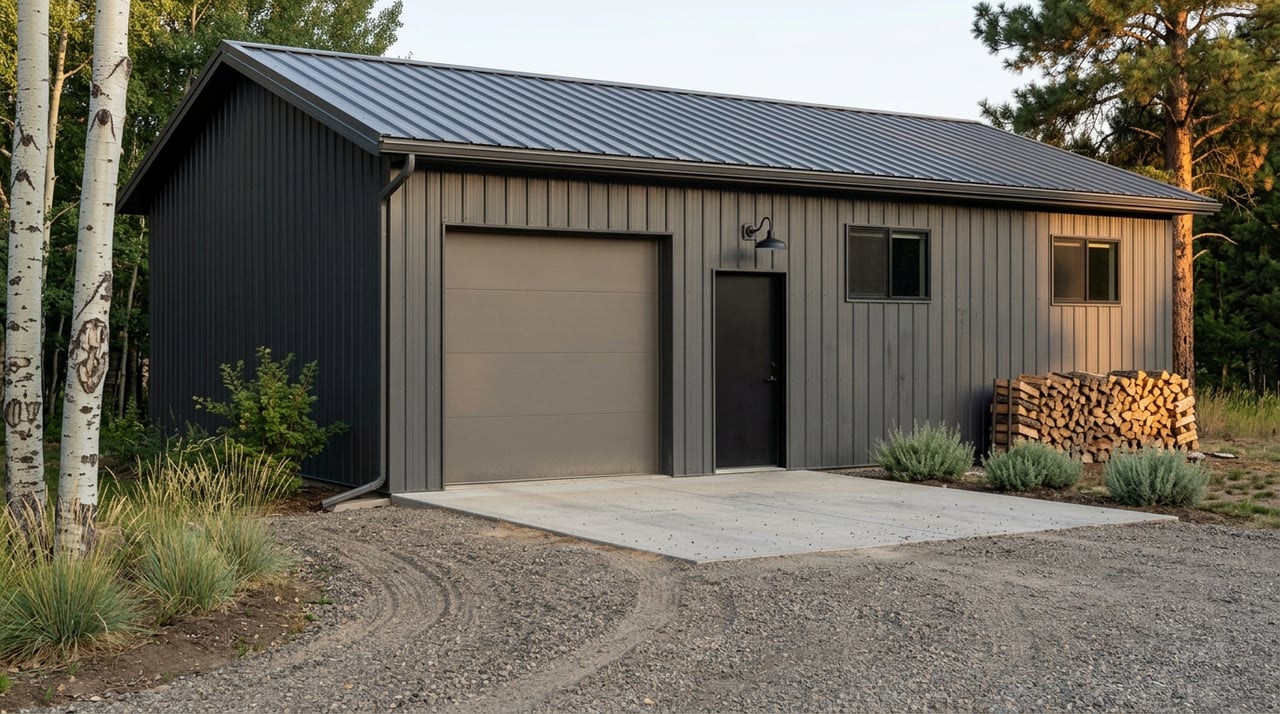
A Stevensville-area acreage property should be marketed as one complete experience. The house matters, of course, but so do the driveway approach, outdoor living areas, fencing, yard edges, shops, barns, and the broader setting.
That is why staging for a rural home should go beyond the living room. Buyers are often deciding whether the whole property feels usable, cared for, and easy to understand.
Focus on the spaces buyers notice first
National staging research from 2025 found that buyers’ agents placed especially high value on photos, with 73% rating them as much more or more important to clients. That compared with 57% for physical staging, 48% for videos, and 43% for virtual tours.
The most commonly staged rooms were the living room, primary bedroom, dining room, and kitchen. For a rural home, outdoor and yard presentation also deserves real attention because it helps buyers picture how the property lives beyond the front door.
Prep for photography with honesty
Before photos, open blinds for natural light and remove clutter. Just as important, make sure the home shown online is the same home buyers will encounter in person.
Recent industry guidance warns that digitally altered images can mislead buyers if they change the property’s apparent condition, scale, or setting. Virtual staging or heavy editing should be clearly disclosed and should not hide defects.
Build a strong photo strategy
Online presentation carries a lot of weight, especially for rural buyers who may be comparing properties from a distance. The first photo and the order of photos matter.
Lead with your strongest exterior, view, or lifestyle image. Then move through the interior and land features in a logical sequence so buyers can quickly understand how the property is laid out.
What to highlight in the listing
Your listing description should do more than repeat bedroom and bathroom counts. Buyers often respond to useful details such as:
- Usable outdoor areas
- Energy-efficient upgrades
- Flexible spaces like offices or guest areas
- Shops, barns, or other functional outbuildings
- Access features and general land usability
The goal is to help buyers understand how the property works in real life. That is often more persuasive than relying on square footage alone.
Reduce uncertainty before you launch
In a rural sale, uncertainty is expensive. Missing records, vague answers, and unanswered land questions can cause hesitation, renegotiation, or delays.
A better approach is to prepare the property the way buyers will evaluate it. That means collecting documents, confirming water and septic details, verifying access and boundaries, and then launching with strong photos and accurate descriptions.
Plan for closing details too
Even though most sellers focus on getting to contract, closing paperwork matters as well. In Montana, a Realty Transfer Certificate must be filed with the county clerk and recorder at the same time the deed is recorded, and the seller and buyer names must match the deed.
This is one more reason to work from a clear, organized checklist from the start. When the file is clean, the path to closing is usually smoother.
If you’re thinking about selling a rural home near Stevensville, the best first step is to get clear on the property details buyers will care about most. With the right preparation, you can tell a stronger story, reduce avoidable surprises, and bring your home to market with confidence. When you’re ready for local guidance and professional marketing built for Western Montana properties, connect with Clinton Roberts.
FAQs
What makes selling a rural home near Stevensville different from selling an in-town home?
- Rural homes are usually evaluated as a full package that includes the house, land, access, water source, wastewater system, utilities, outbuildings, and possible land-use constraints.
What seller disclosure is required for a rural home in Montana?
- Montana requires a written seller disclosure statement for residential real property, based on the seller’s actual knowledge, and it must be provided before or with the contract unless the parties agree otherwise in writing.
What septic records should you gather for a Ravalli County rural property?
- You should gather the septic permit, maintenance history, and pumping records, since the permit file can show system type, size, location, and approved structure use.
Why do water rights matter when selling acreage near Stevensville?
- If the property uses irrigation water, surface water, or water beyond a simple domestic setup, buyers will want water-right records and ownership information because many water uses require a recorded water right in Montana.
What boundary and access documents help when selling rural property in Ravalli County?
- Parcel maps, survey information, road-access details, and easement documents can help answer common buyer questions about boundaries and legal access.
How should you prepare a rural home near Stevensville for listing photos?
- Focus on natural light, decluttering, and presenting both the home and outdoor areas clearly, with the strongest exterior or view photo first and a photo order that helps buyers understand the whole property.