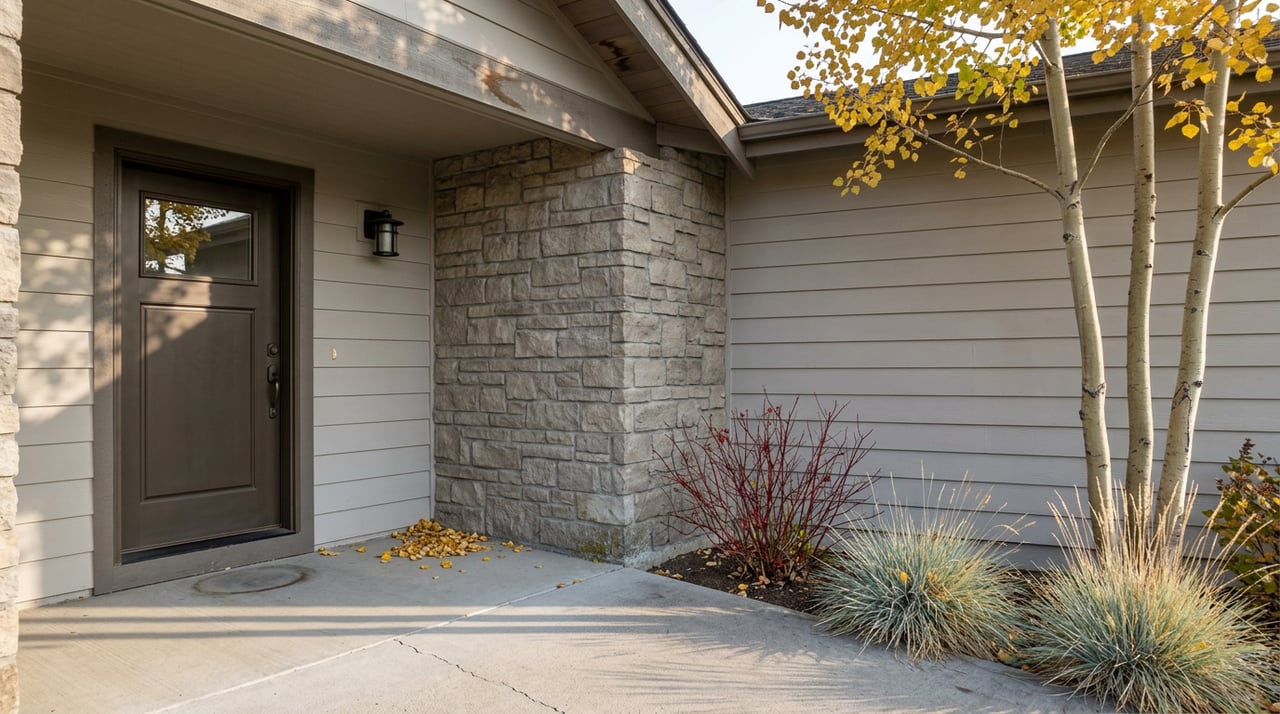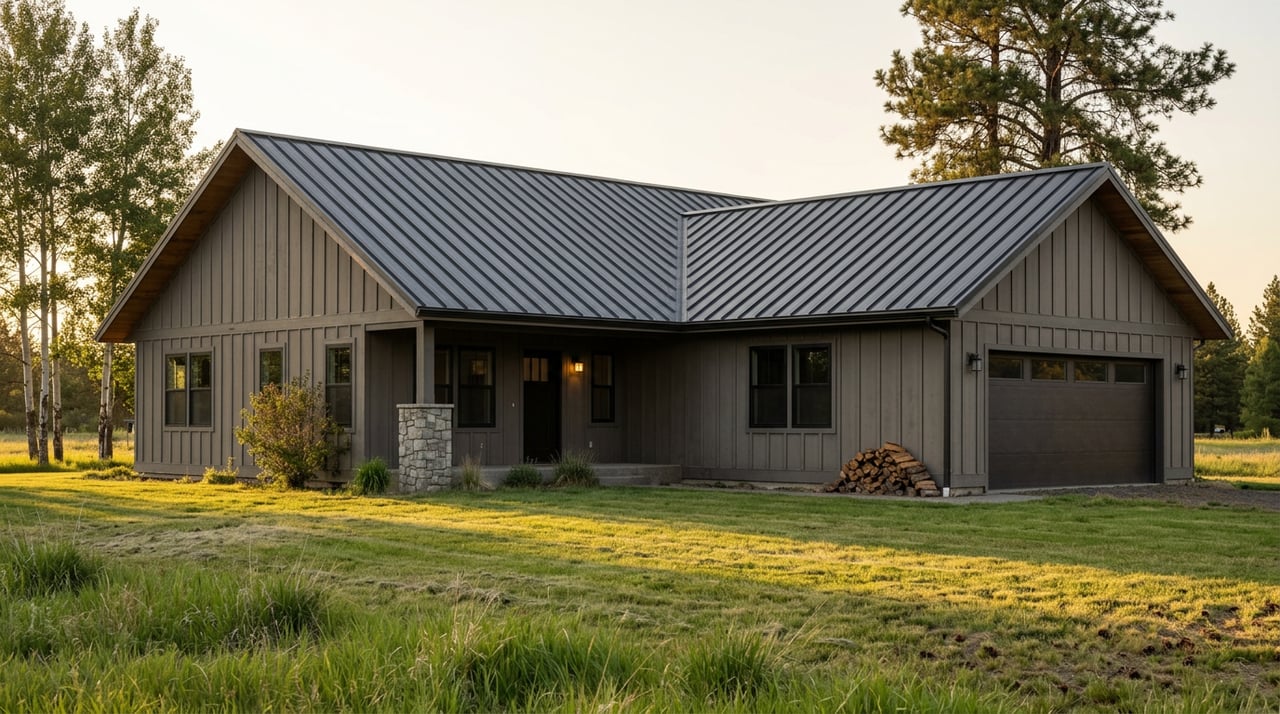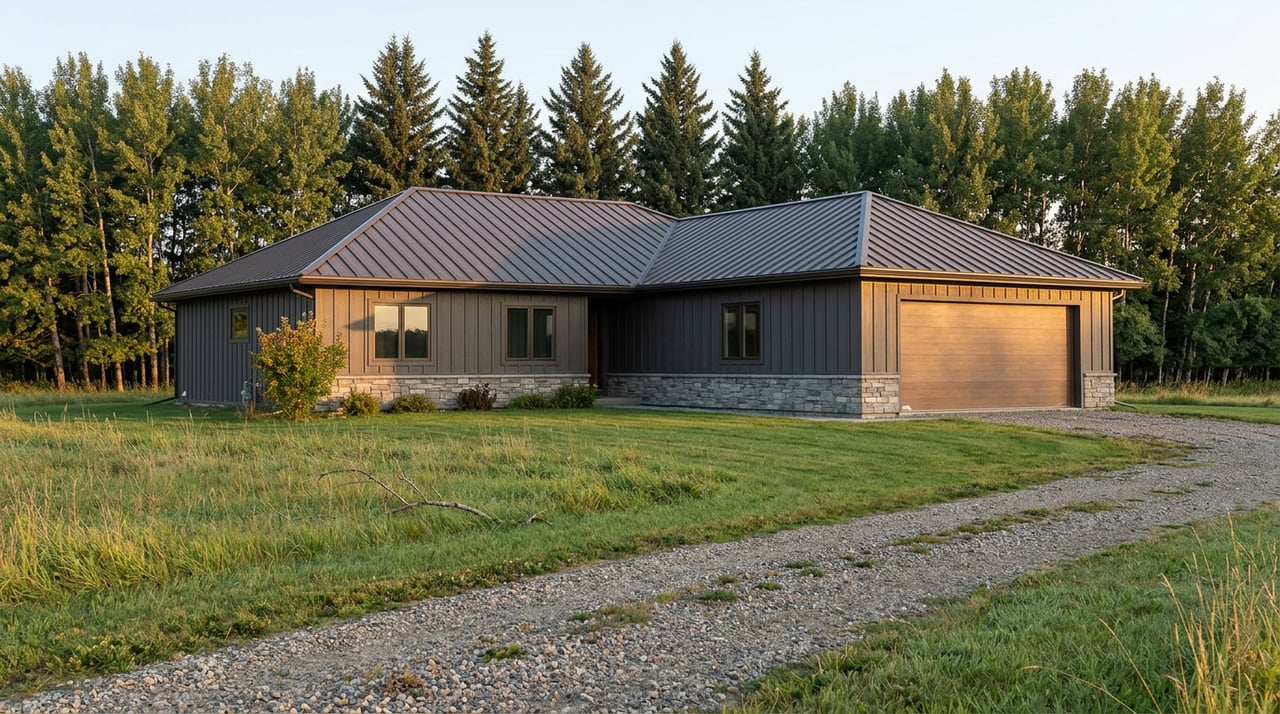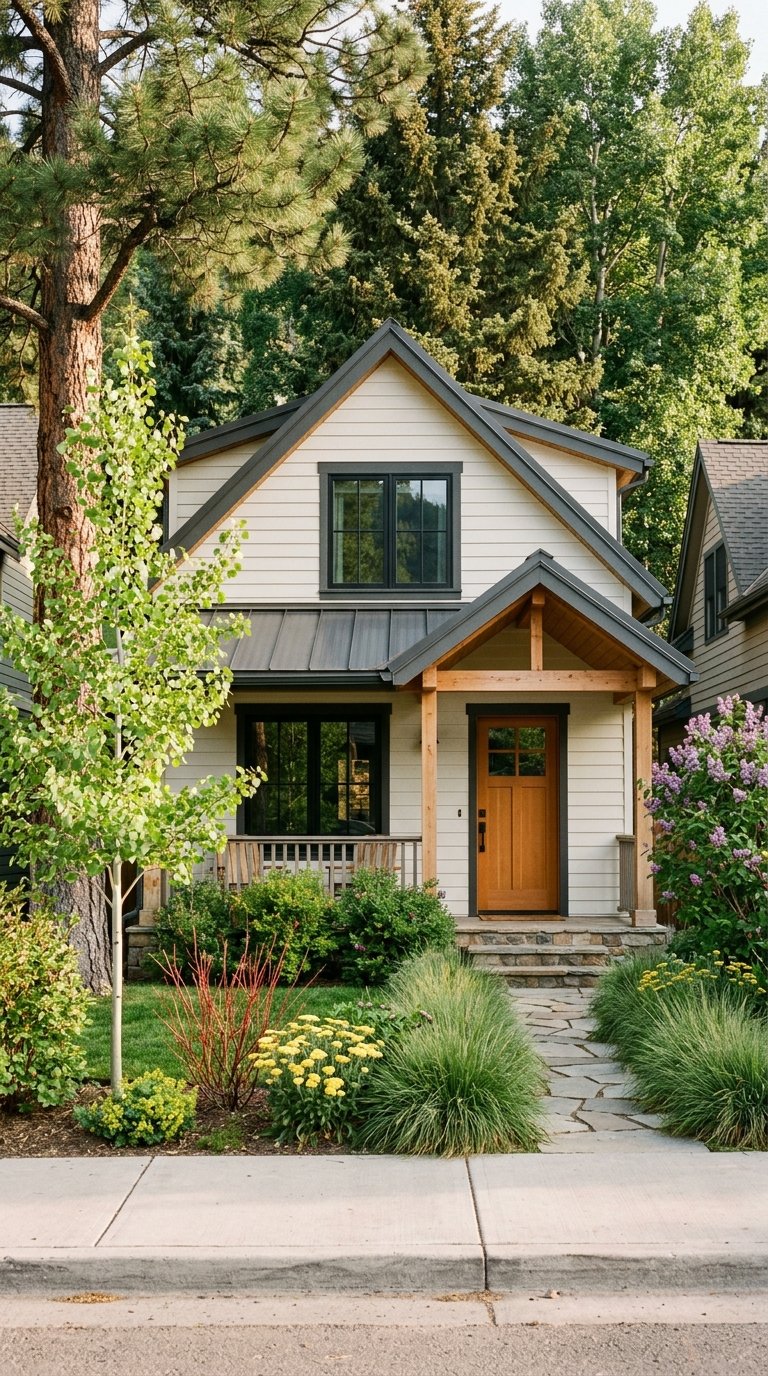
Dreaming about Philipsburg usually starts with a picture in your head: a quiet cabin near the mountains or a home where you can walk into town for everyday needs. Both can fit the Montana lifestyle, but they work very differently once you factor in winter roads, utilities, recreation access, and how often you plan to use the property. If you are trying to decide which path makes more sense for your goals, this guide will help you compare the tradeoffs with Philipsburg’s local realities in mind. Let’s dive in.
Philipsburg lifestyle starts with location
Philipsburg is a small incorporated town in Granite County, with a 2020 Census population of 841 according to a Montana Department of Commerce report. That same report found that 44% of analyzed businesses and 62% of basic-sector employment were tied to tourism-related activity in 2022. In other words, Philipsburg is not just a residential place. It is also a visitor-driven mountain town where recreation shapes day-to-day life.
That matters when you choose between an in-town home and a cabin outside town. The Pintler Ranger District surrounds Philipsburg, and the nearby landscape includes campgrounds, fishing access, trailheads, and routes into the Anaconda Pintler Wilderness. In this area, your property choice is often about more than square footage. It is about access, seasonality, and how you want to spend your time.
In-town homes offer easier daily living
If you plan to use the property often, an in-town home usually gives you the smoothest routine. Philipsburg’s main street services, shops, restaurants, and grocery access are concentrated in town, which can make daily errands simpler. That convenience becomes especially valuable if you are not looking for every trip to start with a drive on rural roads.
Essential services are also close by. Granite County Medical Center says its Philipsburg location offers 24/7 emergency care and weekday clinic hours, and Philipsburg K-12 Schools serve students in town. For buyers who expect to live there full time or spend long stretches at the property, that shorter drive can make a meaningful difference.
There is another practical point to consider. The town website regularly posts water updates, lagoon updates, hydrant flushing notices, and other utility-related notices. That suggests in-town ownership can mean more direct access to municipal services, but it can also come with occasional infrastructure work and service disruptions.
Who in-town homes fit best
In-town homes tend to work well if you:
- Plan to live in Philipsburg full time
- Expect to use the home frequently throughout the year
- Want quicker access to groceries, dining, and services
- Prefer simpler winter logistics
- Like being closer to town activity
For many buyers, that combination creates a more predictable ownership experience. You still get the Philipsburg setting, but with fewer day-to-day unknowns.
Cabins offer privacy and recreation focus
A cabin outside Philipsburg often appeals to buyers who want the property itself to feel like the getaway. The surrounding area offers access to hiking, fishing, hunting, horseback riding, winter sports, Georgetown Lake recreation, and the broader mountain landscape tied to the Pintler Ranger District. If your goal is a quieter base for weekends and outdoor time, a cabin can align well with that vision.
This option often fits buyers who care more about scenery, privacy, and a slower pace than they do about being near town services. For some second-home shoppers, that separation is the point. The drive, the setting, and the sense of distance are part of the experience they want to buy.
Still, the tradeoff is real. A cabin may feel more immersive and private, but it usually asks more from you in planning, upkeep, and seasonal flexibility.
Who cabins fit best
Cabins outside town often make the most sense if you:
- Want a weekend or seasonal retreat
- Prioritize privacy and recreation access
- Are comfortable with more rural upkeep
- Do not need to be close to town every day
- Understand that access may vary by season
For buyers with a strong outdoor focus, that can be a worthwhile exchange. The setting may feel more remote, but it can also deliver the kind of Montana experience that draws people to this region in the first place.
Winter access can change the decision
In Philipsburg, winter logistics are not a small detail. They can be one of the biggest differences between owning in town and owning outside town. Granite County handles county road maintenance and snow removal, and the Montana Department of Transportation notes that winter road conditions can change quickly.
MDT also reports some nearby mountain routes as seasonally closed, including Skalkaho Pass in the Ravalli-Granite area. The Forest Service adds another useful point for the broader recreation landscape: some passes near wilderness access can stay snow-covered until mid-July. For cabin buyers, that means access is not just about distance on a map. It is also about road type, elevation, and the time of year you expect to use the property.
Questions to ask about access
Before choosing a cabin over an in-town home, it helps to think through:
- How often will you be there in winter?
- What roads do you need to use to reach the property?
- Are you comfortable with changing road conditions?
- Do you want a property that is easier to reach year-round?
If you want straightforward daily access, in-town living often wins. If you are buying for occasional use and can plan around conditions, a cabin may still be the better fit.
Utilities and upkeep differ by property type
One reason in-town homes feel simpler is that town ownership usually comes with a more established utility pattern. Philipsburg’s municipal notices show an active local utility system, which can make service access more direct even if occasional maintenance affects your schedule. That kind of setup can appeal to buyers who want fewer parcel-specific questions.
Cabins outside town often require more due diligence. Granite County says all properties must obtain a septic permit from the Tri-County Sanitarian before construction, and the county’s environmental health office handles permitting and licensing related to septic systems, wells, and sanitation in subdivisions. For rural property buyers, those details are part of the decision, not an afterthought.
This does not mean a cabin is harder in every case. It means the ownership experience is often more site-specific. Each parcel may come with its own maintenance and compliance considerations.
Rental plans need a practical lens
Some buyers look at Philipsburg and wonder whether a property could also serve as a vacation rental. That interest makes sense in a market with a strong visitor presence. The local chamber lists inns, B and Bs, guest ranch lodging, RV parks, and vacation rentals both in town and in the surrounding mountain area.
The local economy also reflects tourism demand. The Montana Department of Commerce report found that 44% of analyzed businesses were entirely or partially dependent on tourism demand. That supports the idea that short-stay use is part of the local market, but it does not guarantee occupancy or income for any specific property.
If rental use is part of your plan, local permitting matters. Granite County says owners who intend to rent the primary structure on platforms like VRBO or Airbnb must contact the Tri-County Sanitarian before listing. That is especially important for buyers considering cabins or other rural properties where septic and sanitation rules may directly affect use.
A simple way to choose
If you are torn between a cabin and an in-town home, start with how you will actually live in the property. The right answer usually becomes clearer when you focus on your routine instead of the dream image alone.
Choose an in-town home if you want:
- Frequent or full-time use
- Easier access to groceries and services
- Closer proximity to medical care and schools
- Simpler winter travel
- A more predictable ownership setup
Choose a cabin outside town if you want:
- A more private setting
- Stronger recreation access and mountain feel
- A weekend or seasonal retreat
- A slower pace away from town activity
- A property you are prepared to manage more closely
Neither option is universally better. The better choice is the one that matches how often you will be there, what kind of access you need, and how much hands-on planning you are willing to take on.
Local guidance matters in Philipsburg
Philipsburg is the kind of market where small details can shape the whole ownership experience. A home that looks perfect online may feel very different once you consider road access, winter conditions, utility patterns, or whether your plans include occasional rental use. That is why local, place-based guidance matters here.
When you are comparing cabins and in-town homes in Philipsburg, it helps to work with someone who understands both the lifestyle side and the practical side of Montana property decisions. If you want help narrowing your options and weighing what fits your goals, connect with Clinton Roberts for thoughtful guidance rooted in Western Montana living.
FAQs
What is the main benefit of an in-town home in Philipsburg?
- An in-town home usually gives you easier access to groceries, restaurants, medical care, schools, and town utility services, which can make everyday living more convenient.
What is the main benefit of a cabin outside Philipsburg?
- A cabin outside town often offers more privacy, stronger access to recreation, and a setting that feels more like a getaway destination.
How do winter roads affect cabin ownership near Philipsburg?
- Winter conditions can change quickly, and some nearby mountain routes are seasonal, so out-of-town cabin ownership usually requires more planning and flexibility than in-town living.
Can you use a Philipsburg property as a short-term rental?
- Short-term lodging is part of the local market, but if you plan to rent a primary structure on platforms like VRBO or Airbnb, Granite County says you should contact the Tri-County Sanitarian before listing.
Are utility and permit questions different for cabins near Philipsburg?
- Yes. Rural properties may involve parcel-specific planning for septic, wells, and sanitation, while in-town homes usually have more direct access to municipal utility systems.
Which Philipsburg property type is better for full-time living?
- For many buyers, an in-town home is the stronger fit for full-time living because it offers easier daily access to services and typically simpler year-round logistics.